Newsletter Subscribe
Enter your email address below and subscribe to our newsletter

Enter your email address below and subscribe to our newsletter
What if a brand mascot did more than sit on packaging or wave from a billboard, but lived in multiple corners of the internet? Imagine a character who dances on TikTok, fights in a game, appears on a livestream, and even makes an appearance in an AR filter. These mascots aren’t just frills—they’re living things that flow across platforms and become companions rather than symbols.
With Dreamina and the capability of its AI photo generator, marketers can now create mascots bearing multiple layers of personality, every fold of identity changing depending on where they are seen. A feature café mascot may balance cups on Instagram Reels, and then become a power-up in a mobile game. A fashion brand character could walk the catwalk like a runway model in one universe and hang out like a sticker in another.
The potential reaches further than any single platform, allowing brands to have characters that audiences encounter, engage with, and bring into their own narratives.
Mascots of the metaverse flourish because they can sport multiple skins. Unlike actual costumes or fixed logos, these characters are infinitely flexible, reforming to fit context without compromising who they are.
Layering provides mascots with durability. They are not confined to a single art form or tone—they stretch, warp, and shape while retaining a familiar spark.
Dreamina provides artists with a space where mascots can emerge, be tried out, and be developed. Cute, fierce, surreal, or funny, these characters can be folded into being through creative prompts, then molded until they embody the presence of an authentic digital friend.
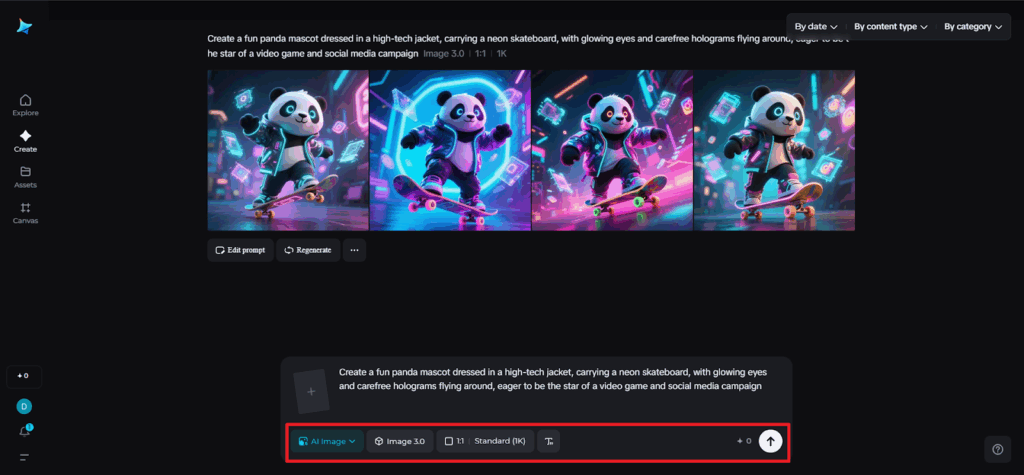
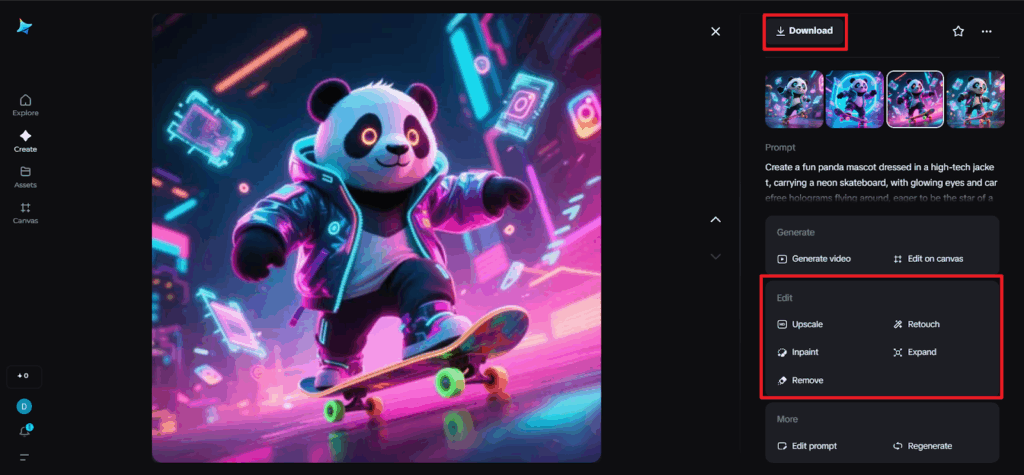
Begin by visiting Dreamina and creating an in-depth text prompt that reflects your mascot’s personality and function. Be descriptive with adjectives—consider color schemes, texture, mood, and environment.
For instance: A fun panda mascot dressed in a high-tech jacket, carrying a neon skateboard, with glowing eyes and carefree holograms flying around, eager to be the star of a video game and social media campaign.
This gives Dreamina the kind of story it needs to build out its online self, you know.
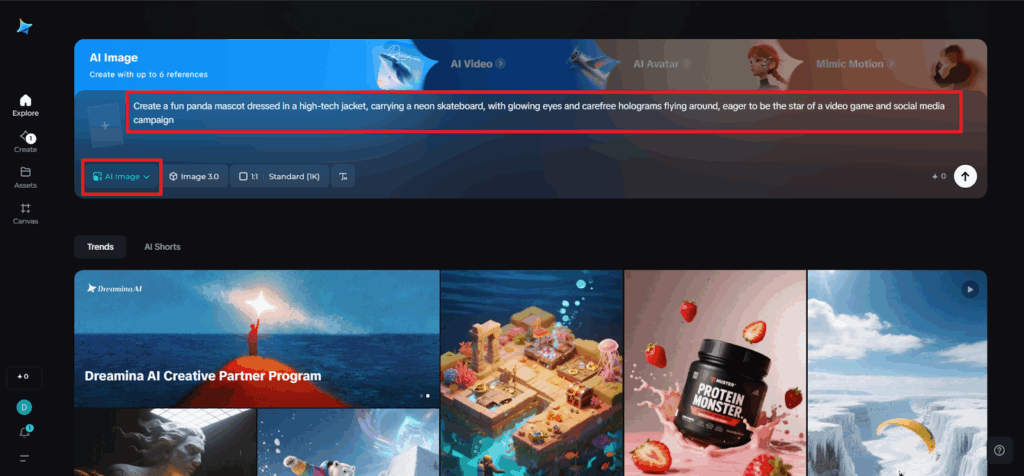
So then, go ahead and tweak those creative options. Choose the Image 3.0 or Image 4.0 by Seedream model, pick an aspect ratio that fits your whole campaign thing, dial in the dimensions just right, and decide on 1k or 2k resolution to get that extra sharp feel. Once you have all that sorted, just tap on Dreamina’s icon. Watch your mascot pop into being, like it’s waking up in this first digital world of its own.
Once your mascot takes shape, refine it using Dreamina’s customization tools. You can tweak those tiny details with inpaint. Or go ahead and expand the thing to toss in props or maybe even a sidekick companion. Wipe out any distractions that pop up. And retouch it all to sharpen features, keep everything looking consistent. Once it feels right, just click that download icon. Save the file and get your mascot set up for ads or social feeds or even games.
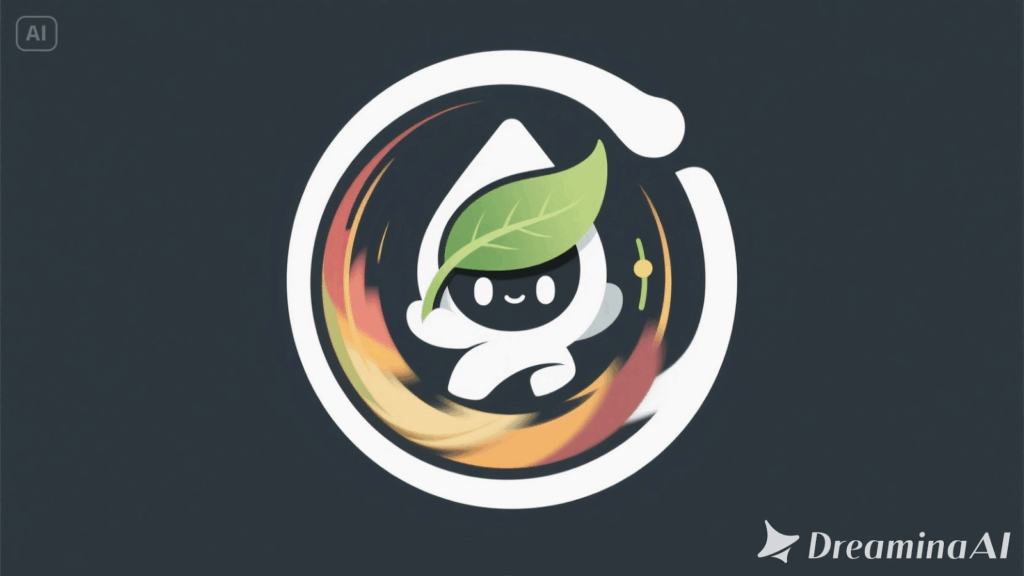
In a way, mascots are basically kinetic logos, you know. Like animated versions of the brand’s identity, moving around instead of just being some flat shape. A business might fire up Dreamina’s AI logo generator first. Make a static symbol that way. Then build it out into a full character who moves pretty much like the logo does itself. Take a circle emblem with those spinning elements inside. It could turn into a character that twirls right into fresh new worlds. Or picture a leaf emblem sprouting into this guardian figure. One that dances along with the changing seasons.
That link between the character and the symbol really builds continuity. The mascot is no longer an additional bit of branding, but the breathing, moving incarnation of the visual heart of the brand.
The thing that makes metaverse mascots different from classic branding is the perception of interaction. Mascots can wave back, nod, respond, or even change their behavior based on context. A fitness brand mascot could encourage exercisers in an AR fitness app workout, while an entertainment brand mascot might “whisper” behind-the-scenes details of future releases via Instagram Stories filters.
Some fun scenario examples:
Rather than merely be, these mascots react—and that reaction gives them life.
Where mascots live on playfulness, they also need to be precise. Dreamina’s AI image editor really helps keep things polished for different platforms. Creators can tweak textures and fix up inconsistencies. They make mascots fit right into all sorts of looks. Slick cinematic ads or those stylized filters, you know.
Editing software handles tiny details, too. Like softening a mascot’s grin a bit. Or lightening its eyes. Maybe adding wardrobe touches that match the mood. Those little changes pack an emotional punch. They help mascots connect deeper. Not just catch an eye for a second.
Traditional campaigns stay pretty static. But metaverse mascots shift over time. Kind of like the communities they’re part of. No getting locked into one look forever. They level up or switch outfits. Personalities evolve as fans get involved. It’s this ongoing thing. Spectators don’t just watch the mascot.
They develop alongside it. Picture a mascot starting out as a fun buddy for a drink brand. Then it turns into a mentor for a fitness app down the line. Or think of a music festival mascot picking up digital tattoos from each event. Fans spot that history building up year after year. These dynamic shapes make mascots seem like traveling companions who are a part of the experience, not a static design.
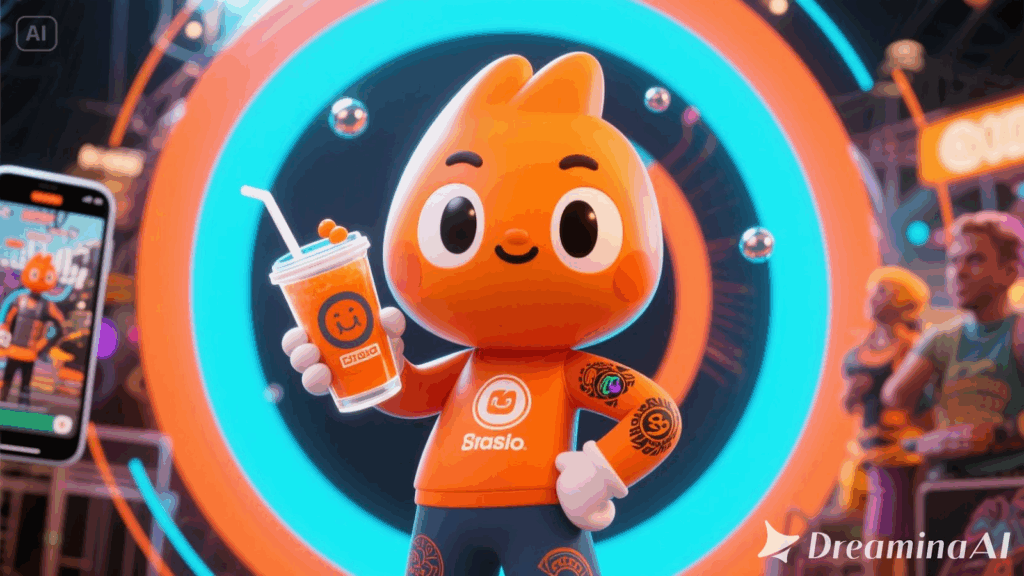
By integrating growth into their character, mascots become something that is only rarely found in branding: characters with actual arcs for audiences to anticipate and follow.
Metaverse mascots don’t only amuse—they form connections. They move through virtual worlds, changing faces while bearing one collective personality that audience members instantly identify. Dreamina allows creators to envision these friends, bend them into existence, and hone them until they’re more friends than advertisements.
The thing is, in this digital world that’s always shifting around, mascots don’t really feel like the old versions anymore. They act more like avatars for brands, you know, ones that can play, change up, and basically live different lives all over the online space. And with Dreamina being the spot where they start out, their stories are just kicking off.