



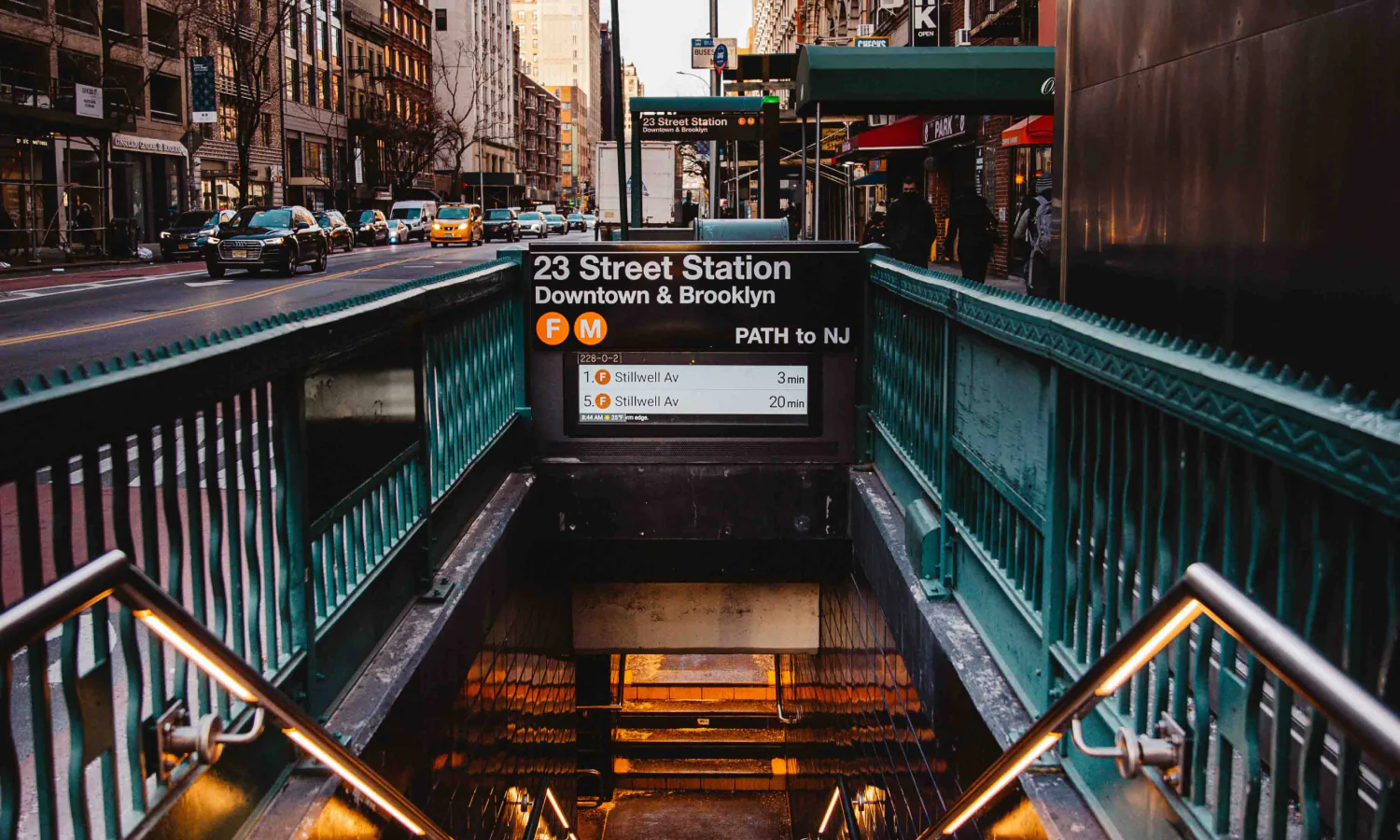



Two-factor security is routine now, and people still get locked out at the worst time
Share your love
Two-factor authentication, or 2FA, is now a basic expectation for logging into most accounts. It’s there to keep our emails, finances, and private data safe from intruders.
But even as 2FA becomes the norm, stories about getting locked out at just the wrong moment are everywhere. Whether it’s missing an important deadline or trying to access money in an emergency, the frustration is real.
This article looks at why we depend on 2FA, yet still run into these familiar and stressful pitfalls. For many, using 2FA feels less like extra peace of mind and more like one more thing that can go wrong when it matters most.
When routines fail: real-life lockouts and the timing that stings
That’s the irony—just when you need access most, something small trips you up and you’re suddenly locked out. It doesn’t matter how organized you are or how many times you’ve used 2FA before.
Maybe you’re rushing to book a flight before prices go up or you have to approve a transfer late at night. You pull out your phone and realize you left it at work, or you’ve just upgraded devices and forgot to move your authenticator app. In those moments, 2FA becomes less of a safety net and more of a locked door.
These aren’t rare situations. Even people who follow security advice closely get caught off guard. Sometimes an SMS code doesn’t show up. Other times, your backup email is tied to an old account you can’t access anymore. The timing always seems to make things worse—right when the stakes are highest, the system fails you.
Groups that rely on quick, reliable access, like those using Asian betting houses, often feel this sting acutely. Strict authentication routines, meant to protect, can block entry just when it matters most.
Stories like these keep piling up. People miss deadlines, lose business opportunities, or simply get stranded because a security step they’ve completed a hundred times suddenly won’t work. That’s the reality of 2FA in daily life: helpful most days, but capable of creating its own emergencies at exactly the wrong moment.
Why 2FA still trips people up, even when it’s familiar
It’s easy to assume that using two-factor authentication gets smoother with practice, but the evidence suggests otherwise.
Plenty of people end up in trouble even when they’ve done it all before. Maybe the phone with their authentication app is at home. Sometimes a text code just never shows up, or old backup codes are buried in a forgotten email folder. These aren’t rare events—they’re part of the routine, and they catch users by surprise.
Recent research shines a light on this gap between routine and reality. The Duo 2FA usability study found that nearly half of participants had at least one login failure because of a 2FA snag. A smaller, but still notable, share faced total lockouts just because something in the process didn’t line up as planned.
So even though most people know the drill, familiarity doesn’t guarantee a smooth ride. The unpredictable messiness of daily life—phones lost, flights delayed, codes misplaced—clashes with the strict steps of 2FA. That’s why just being used to it isn’t enough to prevent mix-ups or full-on lockouts.
The hidden cost: How account lockouts shape behavior and security choices
But these lockouts don’t just cause a temporary headache—they leave a mark on how people actually use security.
Some users start saving backup codes in three different places or printing them out in case their phone dies. Others, worn down by bad experiences, turn off 2FA where they can or pick weaker methods just to avoid getting locked out again.
The fear of being locked out, especially when money or work is on the line, changes habits in subtle ways. People might avoid using a new service if they worry its security process will trap them at a bad moment.
You even see folks reusing passwords or sticking to simple logins for convenience, despite the risks. These shifts don’t just affect individuals—over time, they add up to more opportunities for attackers.
Recent industry surveys highlight this ripple effect, with rising incidents of account takeovers linked to users choosing less secure setups. The numbers in reports like 2025 account takeover stats show just how often these choices lead to real consequences.
Balancing act: rethinking simplicity, security, and education
This dilemma leaves both companies and users in a tough spot, always trying to strike a balance between feeling safe and feeling in control.
Newer solutions are starting to surface, aiming to cut down on the friction that drives people away from strong security. Some ideas stand out:
- Offering backup codes that are easy to find and use, across any device
- Making it simple to manage which devices have access, so swapping phones isn’t a crisis
- Clearer prompts and instructions that help people avoid common mistakes before they happen
Education is just as important as design. If users really understand what’s at risk, more of them may stick with 2FA, even if it isn’t perfect. But there’s hesitation, and it’s understandable—when people remember being locked out at the worst time, they’re less likely to trust even improved systems.
Guides that feature platforms like icryptox.com Security show that innovation is ongoing, but until the process feels as easy as it is secure, widespread adoption will lag. The real test will be making 2FA seamless enough that people stop dreading it and start depending on it.
Conclusion: The new normal—living with 2FA’s awkward paradox
So two-factor authentication isn’t going anywhere, but neither are those moments when it lets us down.
People are learning to expect both the safety of extra security and the frustration of sudden lockouts.
Real-world numbers show that lockouts and failures happen to a surprising share of users, and no one feels immune.
The truth is, finding comfort with 2FA means accepting some hassle as the price of digital safety. Until the process truly matches its promise, everyone online will keep walking the line between security and convenience—sometimes smoothly, sometimes not.
